


























Chronograph watches have fascinated watch enthusiasts and professionals for generations. These sophisticated timepieces combine elegance with functionality, offering far more than just telling time. Whether you're an athlete tracking your performance, a professional timing critical events, or simply someone who appreciates fine craftsmanship, understanding what a chronograph watch is and how it works can help you make an informed decision when choosing your next timepiece. At EX-STOCK Canada, we believe in empowering our customers with knowledge about the products they're interested in, which is why we've created this comprehensive guide to chronograph watches.
Introduction to Chronograph Watches
A chronograph watch is a timepiece that combines the functions of a standard watch with a stopwatch. The word "chronograph" comes from the Greek words "chronos" (time) and "graph" (to write), literally meaning "time writer." These watches feature additional subdials and pushbuttons that allow you to measure elapsed time with precision, making them invaluable tools for various applications.
The history of chronograph watches dates back to the 19th century when watchmakers first developed the technology to measure short intervals of time. The first chronograph was created in 1816 by Nicolas-Mathieu Rieussec, a French watchmaker who invented a mechanism that could record time by making marks on a dial. Since then, chronographs have evolved significantly, incorporating both mechanical and electronic innovations that have made them more accurate and reliable than ever before.
Today, chronograph watches remain popular among professionals, athletes, and watch collectors alike. Their relevance has only increased with time, as they've become symbols of precision engineering and timeless style. Whether you're shopping for a chronograph watch at EX-STOCK Canada or elsewhere, understanding their features and functions will help you appreciate the craftsmanship behind these remarkable timepieces.
How Chronograph Watches Work
The mechanism behind a chronograph watch is a marvel of engineering. At its core, a chronograph operates independently from the main timekeeping function of the watch. While the watch continues to display the current time normally, the chronograph system runs parallel to it, allowing you to measure elapsed time without affecting the watch's primary function.
The basic components of a chronograph include the main dial, subdials, pushbuttons, and the chronograph mechanism itself. The main dial displays the current time just like any regular watch, while the subdials, typically ranging from two to four, show different measurements related to the chronograph function. These subdials might display elapsed seconds, minutes, and hours, depending on the watch's design and complexity.
Subdials are the smaller dials within the watch face that serve specific purposes in the chronograph function. The most common subdial is the 30-minute counter, which tracks elapsed minutes up to 30. Another typical subdial is the 12-hour counter, used for measuring longer time intervals. Some chronographs also feature a small seconds subdial, which displays running seconds when the chronograph is activated. Understanding these subdials is crucial to using your chronograph watch effectively.
The operation of a chronograph involves three main functions: start, stop, and reset. The top pushbutton typically starts and stops the chronograph, while the bottom pushbutton resets it back to zero. Some chronographs feature a single pusher that performs both functions, while others have two separate pushers for more intuitive operation. When you press the start button, the chronograph hand begins moving around the dial, measuring elapsed time. Pressing the button again stops the measurement, allowing you to read the exact time that has passed. The reset button returns all chronograph hands to their zero position, preparing the watch for the next measurement.
Types of Chronographs
Chronograph watches come in three main varieties, each with its own advantages and characteristics. Understanding the differences between these types will help you choose the right chronograph for your needs.
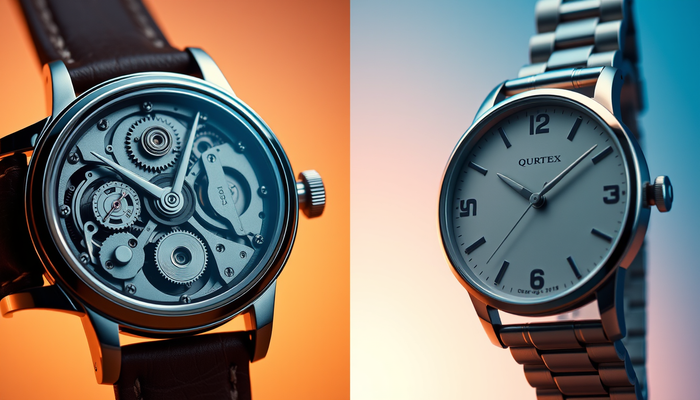
Mechanical chronographs are the traditional type, using purely mechanical components to measure time. These watches feature intricate gear systems and cam mechanisms that operate the chronograph function. Mechanical chronographs are highly valued by watch enthusiasts for their craftsmanship and reliability. However, they require regular maintenance and are generally more expensive than their quartz counterparts. The precision of mechanical chronographs is typically accurate to within one-tenth of a second.
Quartz chronographs use battery-powered quartz movements to operate both the timekeeping and chronograph functions. These watches are known for their accuracy, often precise to within one-hundredth of a second. Quartz chronographs are more affordable than mechanical versions and require less maintenance, making them an excellent choice for those seeking reliability without the premium price tag. They're also more durable and resistant to shock and vibration.
Automatic chronographs combine the appeal of mechanical watches with the convenience of automatic winding. These watches feature self-winding mechanisms that keep the watch running as long as you wear it regularly. Automatic chronographs offer the best of both worlds: the craftsmanship and prestige of mechanical watches with improved convenience. They're typically more expensive than quartz chronographs but less costly than purely mechanical versions.
Key Features to Look For
When shopping for a chronograph watch, several important features should guide your decision. These characteristics will determine how well the watch serves your needs and how long it will last.
Accuracy and precision are paramount in a chronograph watch. Quartz chronographs typically offer superior accuracy, often accurate to within one-hundredth of a second, while mechanical chronographs are usually accurate to within one-tenth of a second. Consider your intended use when evaluating accuracy requirements. For professional timing applications, quartz might be the better choice, while mechanical chronographs offer sufficient precision for most recreational uses.
Durability and materials significantly impact a chronograph's longevity and appearance. Stainless steel is the most common material for chronograph cases, offering excellent durability and corrosion resistance. Some premium chronographs feature titanium cases, which are lighter and even more durable. The watch's crystal, typically made of sapphire or mineral glass, should be scratch-resistant and clear. Sapphire crystals are superior to mineral glass, offering better scratch resistance and clarity.
Water resistance ratings are crucial, especially if you plan to wear your chronograph in various conditions. Water resistance is measured in meters or feet and indicates the depth to which the watch can be safely submerged. A rating of 30 meters is suitable for splash resistance only, while 100 meters allows for snorkeling, and 300 meters or more is necessary for diving. Consider your lifestyle and activities when evaluating water resistance requirements.
Common Uses for Chronograph Watches
Chronograph watches serve numerous practical purposes across various fields and activities. Understanding these applications can help you determine whether a chronograph is right for you.
In sports and athletics, chronographs are invaluable tools for measuring performance. Athletes use them to track lap times, sprint durations, and training intervals. Whether you're a runner, cyclist, swimmer, or any other type of athlete, a chronograph watch provides immediate, wearable timing capability without requiring additional equipment.
Professional applications for chronographs are extensive. Pilots use chronographs for flight timing and navigation calculations. Medical professionals use them to measure patient vital signs and medication administration timing. Engineers and technicians rely on chronographs for precise timing in various industrial processes. These professional applications demonstrate the critical role chronographs play in precision-dependent fields.
For everyday wear, chronographs offer both functionality and style. Many people appreciate the sophisticated appearance of a chronograph watch, even if they don't regularly use the timing function. The subdials and pushbuttons add visual interest to the watch face, and the precision engineering behind the chronograph mechanism appeals to those who value quality craftsmanship.
Chronograph vs. Regular Watches
Understanding the differences between chronograph and regular watches will help you decide which type is best for your needs. While both serve the primary function of telling time, chronographs offer additional capabilities that regular watches lack.
The main difference is functionality. Regular watches display only the current time, while chronographs add stopwatch capabilities. This additional function comes with added complexity in the movement, which typically results in a higher price point for chronographs. Regular watches are simpler, more affordable, and often require less maintenance.
When choosing between a chronograph and a regular watch, consider your lifestyle and needs. If you frequently need to measure elapsed time and appreciate the engineering behind chronographs, a chronograph watch is an excellent choice. If you simply need a reliable timepiece for everyday wear without the additional features, a regular watch may be more practical and economical.
Popular Chronograph Brands
The chronograph watch market features numerous respected manufacturers, each offering unique designs and price points. Some of the most notable brands include Rolex, Omega, Tag Heuer, Breitling, and Seiko. Rolex chronographs are known for their precision and prestige, commanding premium prices. Omega offers excellent chronographs with strong heritage in professional timing. Tag Heuer specializes in sports chronographs with modern designs. Breitling is renowned for aviation chronographs, while Seiko provides excellent value with reliable quartz and mechanical chronographs.
Price ranges for chronograph watches vary dramatically based on brand, materials, and movement type. Entry-level quartz chronographs can be found for under $200, while mid-range options typically range from $500 to $2,000. Premium mechanical and automatic chronographs often exceed $5,000, with luxury brands commanding prices well into the tens of thousands of dollars.
Maintenance and Care Tips
Proper maintenance ensures your chronograph watch remains accurate and beautiful for years to come. Regular care extends the life of your timepiece and preserves its value.
Proper cleaning involves gently wiping the watch with a soft, dry cloth after wearing it. For more thorough cleaning, use a slightly damp cloth with mild soap and water, but avoid submerging the watch unless it has adequate water resistance. Never use harsh chemicals or abrasive materials that could damage the finish.
Storage recommendations include keeping your chronograph in a cool, dry place away from direct sunlight and extreme temperatures. If you won't be wearing the watch regularly, store it in a watch box or case to protect it from dust and damage. For automatic watches, consider using a watch winder to keep the movement running smoothly.
Service intervals depend on the movement type. Quartz chronographs typically need battery replacement every two to three years and professional servicing every five to ten years. Mechanical and automatic chronographs should be serviced every three to five years to maintain accuracy and prevent wear on internal components.
Conclusion
Chronograph watches represent the perfect marriage of functionality and style, combining precise timekeeping with elegant design. Whether you're drawn to the mechanical complexity of traditional chronographs or the reliable accuracy of quartz versions, there's a chronograph watch suited to your needs and preferences.
When shopping for a chronograph watch at EX-STOCK Canada or elsewhere, remember to consider your intended use, budget, and personal style preferences. Take time to understand the features and functions that matter most to you, and don't hesitate to try on different models to find the perfect fit.
The enduring popularity of chronograph watches speaks to their timeless appeal and practical value. Whether you're a professional who needs precise timing, an athlete tracking performance, or simply someone who appreciates fine craftsmanship, a chronograph watch is an investment in quality and precision that will serve you well for years to come.



Leave a comment